

A Time for an Ethical Shift
The horizon of 2026 is pulling closer as 2025 slowly folds into memory. It feels like yesterday that we stepped into a new year with excitement, loud celebrations, and the hope that this time things might turn out better. That excitement was mixed with a quiet anxiety about how the unknown twelve months ahead would unfold. Now that we stand at the door of another year, this is the moment to pause and reflect with honesty and gratitude on how life has shifted in both our personal and collective spaces.
For me, this year has been one of deeper awareness and alignment with my authentic self. I have always believed in an ethical culture, which means doing the right thing simply because it is the right thing to do. No audience, no applause, no external validation. The truth is that no one sees my thoughts except me and my Creator. This year reminded me that ethical consciousness begins in the mind long before it becomes behaviour. It starts with the discipline of leading myself.
I faced circumstances that demanded an ethical shift in how I related to myself, because healthy self-leadership must precede healthy interactions with others. Trust became the central lesson. I learned that trust is a form of capital. It can move from surplus to deficit in a heartbeat if not protected. When loyalty is betrayed, trust is usually the first casualty. And when trust is wounded, the pain is deeper than words can capture.
In 2025, I learned to safeguard my trust capital and invest it where it is needed, respected, and appreciated. That work began inside me. I had to give myself the gift of self-trust and accept that I am complete and precious as I am. From that place, I set healthier boundaries and allowed them to guide my choices. Once I understood this, I saw clearly where I had given my trust too freely. Redirecting it became an act of responsibility and liberation.
As what many called “twenty twenty thrive” unfolded in our unpredictable world, the 6th of July arrived and shook the country awake. Lieutenant General Nhlanhla Mkhwanazi made grave allegations about criminality, political interference, and corruption within the criminal justice system. His courage triggered the Madlanga Commission and the Parliamentary Ad Hoc Committee, both now probing the truth of these claims. Whether the allegations are proven or not, many South Africans remain grateful for his bravery. His stance pushed the nation out of denial and forced us to confront the uncomfortable question of why criminal networks have found such fertile ground here.
The reality of drug abuse destroying young people, of parents battling fears they can barely articulate, and of syndicates benefiting from this devastation shows how fragile our social fabric has become. It took one individual to declare that enough was enough. That call demanded responsive leadership, and the swift establishment of the Commission reflected this. Listening to the ongoing testimony, it is clear that we are in a crisis. South Africans are now hoping for something different on the other side of these hearings. There is a longing for a real ethical shift, not a symbolic one, because the protection of our democracy depends on it.
While these investigations dominate our headlines, another major event defined our year. South Africa hosted a successful G20 Summit under President Cyril Ramaphosa’s leadership. The scale of planning, coordination, and execution was immense, and South Africans delivered. Despite our service delivery challenges and infrastructure pressures, the country showed once again that when we pull together across government, business, and civil society, we rise to the occasion.
The success of the Summit lifted our global standing and demonstrated what is possible when commitment is anchored in ethics. It also highlighted the value of improved performance in key institutions. The stabilisation of Eskom, for example, allowed the summit to unfold without the tension we have grown used to when large events demand reliable power. This kind of progress shows that ethical leadership in critical institutions can shift national outcomes. We need this spirit to continue across all sectors.
The truth is that an ethical shift starts inside each one of us. Only then can it be shared with others who resonate with it. It will always be challenged by self-interest, and there will always be resistance. Yet once an ethical commitment is rooted deeply within individuals and institutions, the forces that undermine it begin to lose their power.
As we step into a new year, may we carry forward this call to live with integrity, to protect what is precious, and to build a society where ethics is not an aspiration but a lived practice and experience.
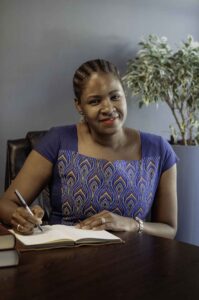
Palesa Mashabane is an Ethics Subject Matter Expert at The Ethics Institute.